

Beyond the Numbers: Navigating the Challenges of Myelofibrosis Care
Last Updated: Friday, December 12, 2025
Managing myelofibrosis extends far beyond monitoring blood counts. Natasha L. Johnson, MSN, APRN, AOCNP®, and Kathryn Herricks, MSN, APRN, discuss the multifaceted challenges their patients with myelofibrosis face—from the complexities of managing cancer-related fatigue to the mounting financial toxicity of treatment. They explore practical strategies for addressing barriers to clinical trial participation, the importance of looking beyond laboratory values, and how support groups provide invaluable emotional resources that complement medical interventions in improving patient quality of life.
Meet the faculty
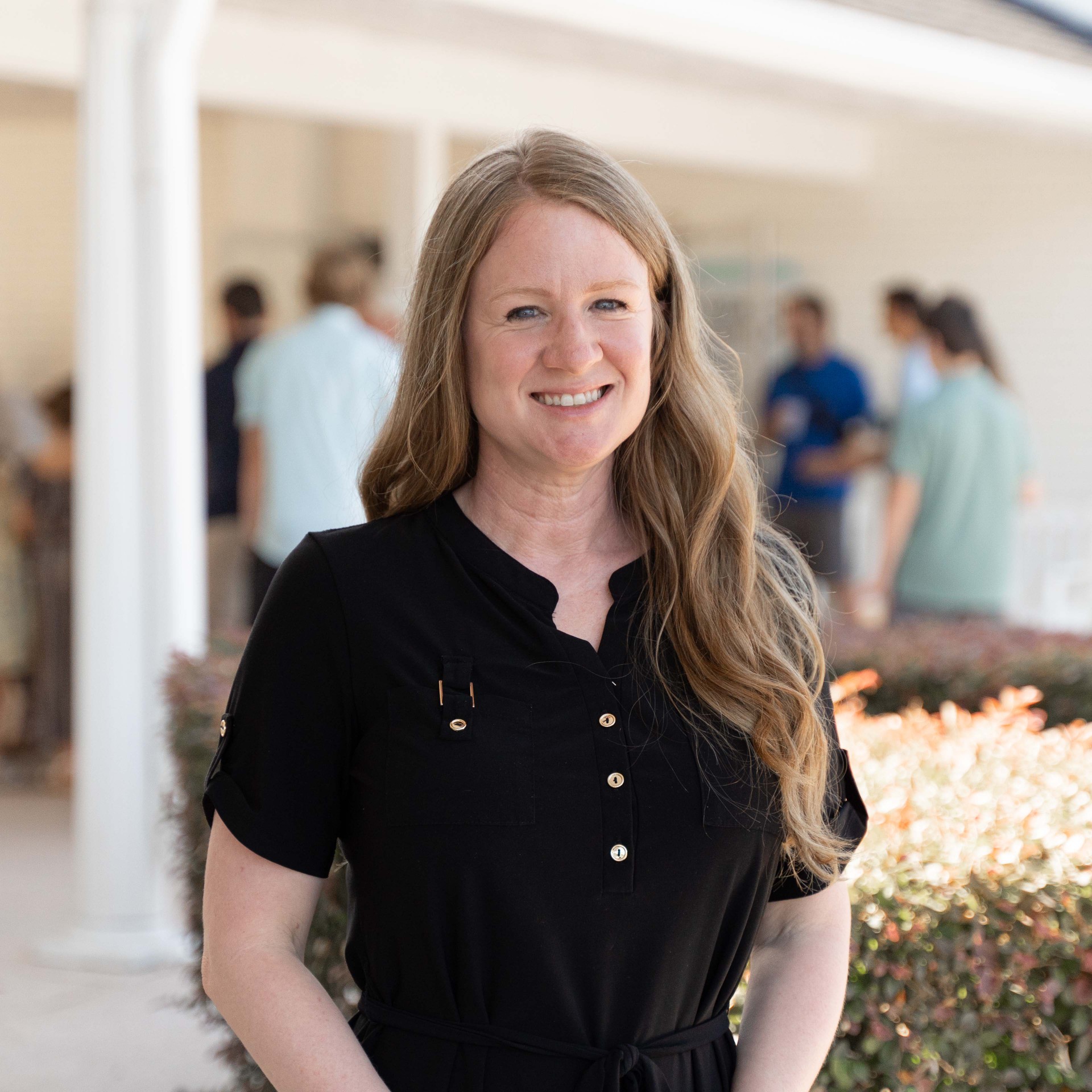
Natasha Johnson
MSN, APRN, AOCNP®
Moffitt Cancer Center
Natasha Johnson is a nurse practitioner in the Malignant Hematology Department at Moffitt Cancer Center in Tampa, Florida. She focuses on caring for patients with myeloid malignancies including myeloproliferative neoplasms, myelodysplastic syndromes, acute myeloid leukemia, and systemic mastocytosis.
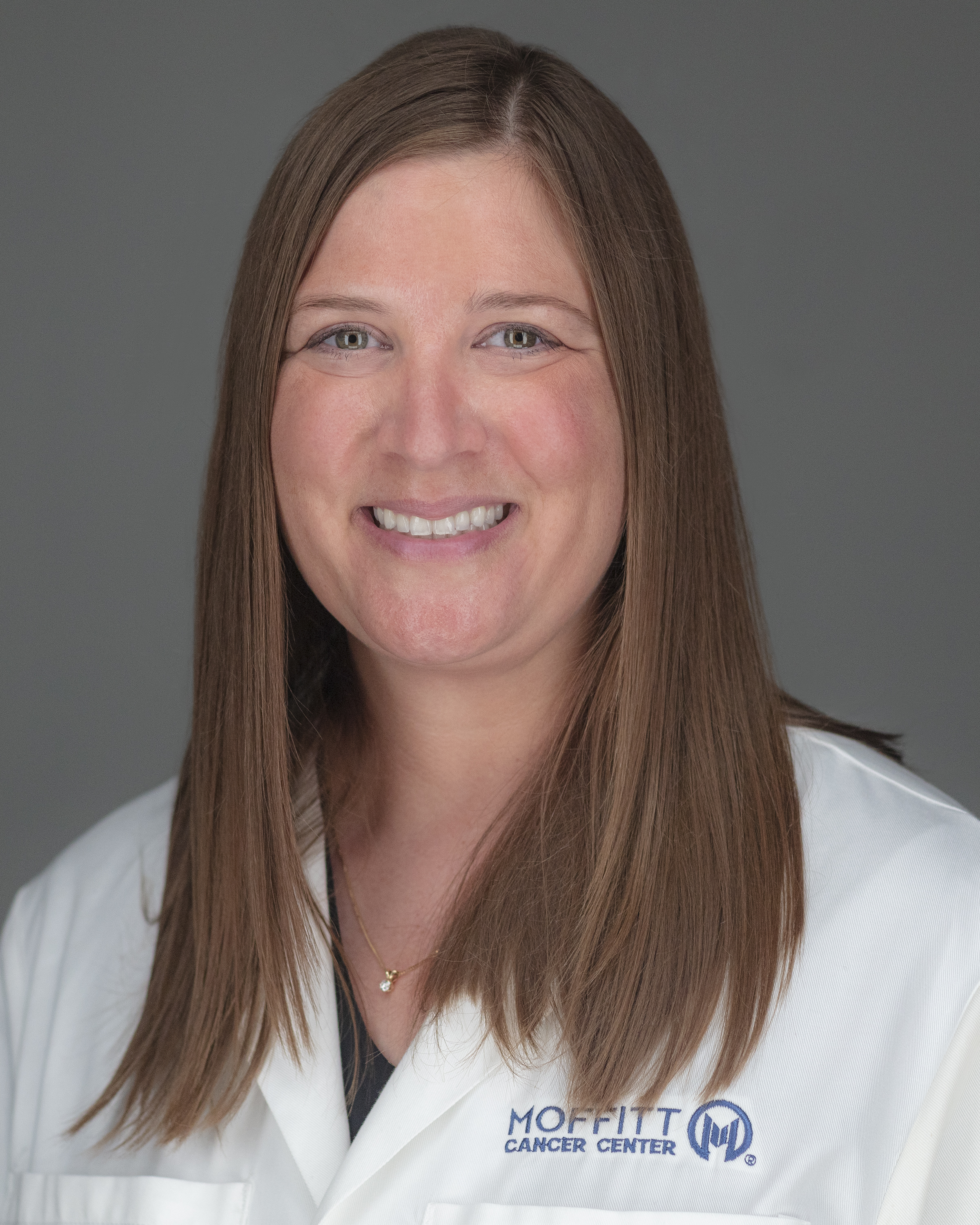
Kathryn Herricks
MSN, APRN
Moffitt Cancer Center
Kathryn Herricks is a nurse practitioner in the Malignant Hematology Department at Moffitt Cancer Center in Tampa, Florida. She treats patients with myeloid malignancies including myeloproliferative neoplasms, acute myeloid leukemia, myelodysplastic syndromes, and aplastic anemia.
Kathryn Herricks
Natasha, when you’re thinking about the challenges inherent to managing patients with myelofibrosis, what’s the one symptom that comes to mind first?
Natasha Johnson
For me, it’s definitely fatigue. This is an incredibly common symptom for our patients, but it can be so difficult to manage. Not only is fatigue multifactorial, but more often than, our current treatments for this symptom do not provide much benefit to patients.
Kathryn Herricks
I know what you mean. There are so many potential reasons behind it, which can make it tricky to address. Both splenomegaly, one of the most common signs of myelofibrosis, and anemia, which so often goes hand in hand with the disease, can cause fatigue. Some patients with anemia might require a higher hemoglobin level to feel comfortable, due to their comorbidities. In other instances, patients with a large spleen may not be able to eat very much due to early satiety—they might not be getting adequate nutrition, and that can also lead to fatigue.
On a related note, it’s often difficult to drink a lot of fluids when you’re not feeling well, and dehydration can also lead to patients feeling fatigued. We also need to keep vitamin deficiencies in mind, which we talked about in our last discussion; it’s important to check thyroid, vitamin D, iron, and folate levels. Finally, other comorbidities may end up being a contributing factor to their fatigue. So, in addition to myelofibrosis, we need to consider whether they have heart failure, chronic obstructive pulmonary disease, or other issues that may be at the root of their symptoms.
Natasha Johnson
So, what do you recommend to your patients who are struggling with fatigue?
Kathryn Herricks
Well, it can seem kind of counterintuitive to patients, but studies have shown that exercising or doing small amounts of activity can actually help improve cancer-related fatigue, so we will often encourage our patients to exercise.1,2 If we find that the patient isn’t benefiting from those interventions, we sometimes suggest that they take 2,000 mg of American ginseng; studies have shown that this can help fatigue, and a lot of our patients report that it is very helpful in managing their symptoms.3
Natasha Johnson
Getting the patient’s input on how they’re feeling is really important, and sometimes it’s hard to remind them that it’s not just numbers that they should be concerned about. When I meet with my patients, I’ll enter the room and start off by saying, “Hey, it's good to see you. How are you feeling?” If they immediately say, “Well, how are my numbers?” then I try to tell them, “No, I want to know how you’re feeling without letting the numbers dictate.” I’m sure you’ve seen this as well.
Kathryn Herricks
Absolutely, some patients really do allow the numbers to determine how they feel.
Natasha Johnson
On the other hand, I just saw someone yesterday who told me, “It doesn’t matter what my numbers say. I feel good.” His numbers weren’t great, but he said he felt good—and that can be meaningful.
Encouraging our patients to share what they are feeling—really talking to them and their families—and reassessing symptoms at each visit is important. If their fatigue is getting worse, could there be a comorbidity that we should investigate? As you mentioned earlier, we have a lot of patients who may have cardiac issues or diabetes, which definitely can contribute to fatigue.
Kathryn Herricks
Besides the symptom of fatigue, another major challenge in myelofibrosis is the financial burden of treatment. Although it’s a blessing that we now have so many drugs approved for myelofibrosis, the catch is that they often come with a very high co-pay. It’s important to utilize all the different ways of obtaining financial assistance. Sometimes that might involve reaching out to the drug companies to apply for financial assistance; in certain situations, they might either approve full financial assistance for the patients or have different co-pay assistance programs set up to help these patients.
In addition, there are different foundations, like the HealthWell Foundation, that provide co-pay assistance to patients. Our specialty pharmacies also have a plethora of resources to help patients afford their treatments.
Natasha Johnson
Financial toxicity is such a big barrier for our patients. You alluded to this, but as we see more drugs getting approved, and then as we potentially start utilizing combination therapies, you have to wonder how much more expensive it will be for our patients to get the treatment they need. It’s extremely burdensome for the patient. For older patients, they may have worked their whole life, saving for retirement, and then all of that is used up on their cancer treatment.
As providers, it’s critical that we advocate for our patients, whether it be by providing a resource list of where they can go for assistance or utilizing specialty pharmacies.
Circling back to the other challenges that our patients with myelofibrosis face, although we are so excited to have clinical trials, they can sometimes be difficult to access. Clinical trials are often within academic centers in large cities, and they usually require patients to come more frequently for visits, lab testing, or procedures like bone marrow biopsies. That can be a huge barrier for our patients who are traveling long distances from more rural areas; sometimes we’re able to find people to drive them, but not always. That distance can prevent patients from enrolling in a clinical trial because they’re unable to travel to the center as frequently as required.
There are other ways to make this easier for our patients, including the use of satellite locations. For example, it could be that patients come to the main campus on day 1 of the beginning of a cycle but are allowed to go to satellite locations for subsequent treatments.
Kathryn Herricks
Practicing here in Florida, it can also be difficult because many of our patients are snowbirds—they travel between two different locations throughout the year. Sometimes that may mean that they’re able to transfer their care from one location to another, but that’s only possible if the clinical trial is at both locations. It becomes pretty tricky logistically.
Natasha Johnson
Finally, one other challenge that I often hear my patients talk about is a social one. Myelofibrosis is a difficult disease, and I sometimes hear patients say, “My family members say that I look normal, and they don’t understand how bad I really feel” or “I just want to talk to somebody who is going through what I’m going through, and feeling the same thing.”
For those patients, I think that support groups can be of great benefit. We now have a local support group near our facility, and our patients have really valued connecting with other people undergoing the same journey—not just through social media, but face-to-face locally. Sitting in small groups, talking about how you feel, and comparing what works for you can be powerful and motivating for patients. Just the other day, you and I saw a gentleman who came to tears talking about how thankful he is for the support group that has developed in our area—and I’m thankful, too.
Kathryn Herricks
I think encouraging patients to be in support groups and providing those resources is a gift, not just to the patient, but also to the provider. It’s empowering to feel like you’re actually helping people in a way that goes beyond just giving them medication. Oftentimes, talking things through and meeting with other like-minded people can provide a comfort that is hard to get from medicine.
Natasha Johnson
I agree, it’s truly a great blessing to both patients and providers.
References
- Furmaniak AC, Menig M, Markes MH, et al. Exercise for women receiving adjuvant therapy for breast cancer. Cochrane Database Syst Rev. 2016;9(9):CD005001. doi:10.1002/14651858.CD005001.pub3
- Yunfeng G, Weiyang H, Xueyang H, et al. Exercise overcome adverse effects among prostate cancer patients receiving androgen deprivation therapy: An update meta-analysis. Medicine (Baltimore). 2017;96(27):e7368. doi: 10.1097/MD.0000000000007368
- Barton DL, Liu H, Dakhil SR, et al. Wisconsin ginseng (Panax quinquefolius) to improve cancer-related fatigue: A randomized, double-blind trial, N07C2. J Natl Cancer Inst. 2013;105(16):1230-1238. doi: 10.1093/jnci/djt181